

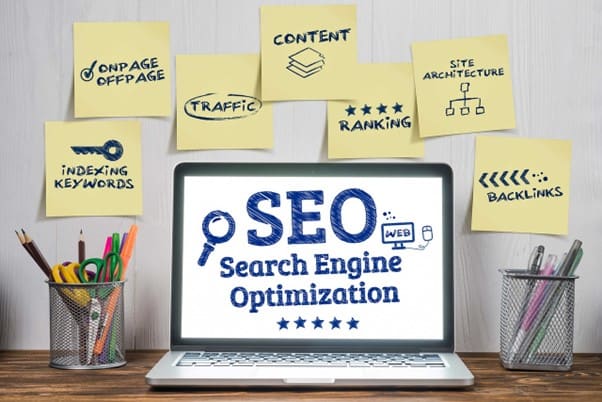
If you’re looking to boost your website’s presence on search engines, enhancing your visual content is a smart move. In today’s digital world, images do more than just make your site look good; they play a key role in how search engines understand and rank your content. But optimizing images for SEO isn’t just about uploading and hoping for the best. It’s about making strategic choices that make your visuals not only appealing to viewers but also understandable and attractive to search engines.
Think about it – when you search for something online, you’re not just greeted with text. Images pop up, catching your eye and often helping you decide which link to click. That’s the power of well-optimized visual content. By choosing the right images, compressing file sizes, using descriptive alt texts, and ensuring they are responsive on different devices, you can improve your site’s visibility and appeal.
But there’s more to it than just the basics. You also need to consider things like structured data, image sitemaps, and how your images interact with social media. All these elements work together to enhance your website’s search engine rankings. Let’s dive into some effective ways to optimize your visual content, making sure your website not only looks great but also ranks well in search engine results.
1. Choosing the Right Images
Selecting the right stock photos for your website is crucial for enhancing both user experience and SEO performance. The key is to use stock photos that are not only visually appealing but also relevant to your content. Here are some strategies to help you choose the best images:
- Relevance is Key: Always select images that complement and reinforce your content’s message. If you’re writing about a technical topic, use images that illustrate the concept. For lifestyle content, choose images that evoke the right emotions and setting.
- Quality Over Quantity: High-resolution images convey professionalism and credibility. Opt for clear, high-quality photos that are visually striking. Remember, a single, impactful image can be more effective than multiple mediocre ones.
- Consider Composition and Color: The composition of an image can significantly impact its effectiveness. Look for well-composed images that draw the viewer’s eye to the most important part of the picture. The color scheme also plays a role; choose images with colors that complement your website’s design and color palette.
2. Image Optimization: Size and Format Matters
Large images can slow down your website, negatively impacting user experience and SEO. Optimizing image size and format is crucial. JPEGs are generally best for photographs due to their smaller file size, while PNGs are better for graphics with fewer colors. Tools like Adobe Photoshop, FotoJet, or free online image compressors can reduce file size without compromising quality. Additionally, consider the dimensions of your images. They should be large enough to be clear and engaging but not so large that they slow down your site.
3. Leveraging Alt Text for SEO Advantage
Alt text (alternative text) is a brief description of an image, which is crucial for SEO. It helps search engines understand the content and context of your images, contributing to better rankings. When writing alt text, be descriptive and use keywords naturally. For example, instead of “img01.jpg,” use “homemade chocolate chip cookies on a cooling rack.” This descriptive alt text helps search engines index your image properly and improves the accessibility of your website for users who rely on screen readers.
4. Responsive Images for Enhanced User Experience
With the increasing use of smartphones and tablets, your images must look good on all devices. Responsive images adjust their size based on the user’s device, ensuring a seamless experience. This not only improves user engagement but also positively impacts SEO, as search engines favor mobile-friendly websites. You can make images responsive with HTML and CSS codes that allow the image to scale according to the screen size. Remember, a better user experience leads to longer site visits and potentially higher search rankings.
5. Using Captions to Boost Relevance and Engagement
Captions are not just for explaining images; they can also boost SEO. A well-written caption can provide context to an image, enhancing its relevance to the content. Captions are also likely to contain keywords, which further helps in SEO. They should be concise yet descriptive, adding value to the image and the overall content. Besides, captions can improve user engagement by drawing the viewer’s attention and providing additional information, leading to longer page visits and better search rankings.
6. Structured Data and Schema Markup for Images
Structured data and schema markup play a pivotal role in how search engines interpret and display your images. By adding structured data to your images, you can provide search engines with specific information about your visuals. This includes details like the image’s creator, license, and content type. Schema markup helps search engines understand the context of your images, enhancing their likelihood of appearing in rich results. This not only boosts your images’ visibility but also their potential to drive traffic. Utilizing tools like Google’s Structured Data Markup Helper can simplify this process, making it easier to tag your images effectively.
7. Image Sitemaps for Better Indexing
Creating an image sitemap is another crucial strategy for enhancing your visual content’s SEO. An image sitemap helps search engines find and index your images more efficiently. This is particularly important if your site uses JavaScript or image pop-ups, which can be harder for search engines to crawl. In your sitemap, include details like the image file location, caption, title, and geographic location. Submitting this sitemap to search engines ensures that all your visual content is recognized and indexed, improving your site’s overall SEO performance.
8. Integrating Social Media to Amplify Reach
Integrating your visual content with social media can significantly amplify its reach and impact on your SEO. When images from your website are shared on social platforms, it increases their visibility and drives more traffic to your site. To encourage sharing, ensure your images are compelling and relevant to your audience. Also, make sharing easy by including social media buttons on your site. Additionally, actively sharing your visual content on your business’s social media profiles can increase engagement and direct more users to your website. If you are too shy to record videos and share them, you can make faceless video for your brand and share them on social media.
Conclusion
Enhancing your visual content for search engine optimization is a multi-faceted process that requires attention to detail and a strategic approach. From using schema markup to ensure search engines correctly interpret your images to create image sitemaps for better indexing, each step plays a significant role in improving your site’s SEO.
Integrating your visual content with social media can extend its reach while monitoring performance with analytics provides valuable insights for future strategies. Lastly, regularly updating your visual content ensures that your site remains relevant and appealing to both search engines and users. By implementing these strategies, you can significantly enhance the impact of your visual content on your website’s search engine rankings, driving more traffic and engagement to your site.