

In the UK, paternity testing has become an important tool for thousands of families seeking clarity about family ties. In fact, a recent study revealed that one in 25 fathers may not be the biological parent of the child they believe to be theirs. For many, this discovery is life-changing, making DNA testing a vital step in providing definitive answers. But how exactly does this process work, and what should you expect?
Well, this article unpacks each step, providing a clear road for those navigating this sensitive journey. With straightforward guidance, you’ll know what to expect, making the entire process feel much more approachable.
So, keep reading!
1. Understanding Paternity Testing
Paternity testing is a scientific method used to determine the biological father of a child. It’s often a necessary step in cases of legal matters or simply to answer personal questions. A common approach involves a cheek swab. This approach allows labs to extract genetic material for analysis. Though it may sound technical, this process is actually designed to be straightforward and accessible. It provides families with clear answers without overwhelming details.
If you’re considering a DNA test paternity UK option, it’s important to choose a reliable, experienced lab that values accuracy and confidentiality. A trusted service with a strong reputation for fast results can make a real difference. For example, some labs deliver outcomes within days. This means you’ll have the answers you need without a long wait, offering reassurance and clarity when it matters most.
2. Types of Tests Available: Home-Based vs. Legal
- Home-Based Testing
For many people, a home-based test is the easiest choice as it’s quick and affordable. The kit includes everything needed, from the swabs to prepaid return packaging, making the process smooth and private. This type of examination is for personal peace of mind and provides clarity without any legal binding.
- Legal Testing
Legal DNA tests are slightly different. These trials follow a strict protocol because the results are used in official matters. It could be court cases, passport applications, or name changes on birth certificates.
However, to ensure authenticity, these samples must follow a documented chain of custody. That means samples are handled and tested under controlled conditions, giving legal weight to the results. This option may require visiting a registered collection center to meet legal standards. This extra step ensures that everything is done accurately and is recognized by legal authorities.
3. The Process: What to Expect Step-by-Step
The steps are easy to follow and mostly involve simple instructions. Here’s a simple breakdown:
- Ordering the Kit
The first step is to order a test kit, usually online or by phone. It arrives with detailed instructions and all necessary materials, ensuring the process is hassle-free. Each kit is carefully sealed and packed to maintain privacy.
- Collecting the Sample
This step is straightforward and takes just a few minutes. The most common method is a cheek swab. This is painless and easy for both adults and children. However, it’s essential to follow the instructions closely to avoid any contamination that might affect the results.
- Sending the Sample to the Lab
Once you’ve collected the sample, it’s securely packaged and returned to the laboratory. Many services in the UK include prepaid, tracked return options for peace of mind. This way, you’ll know when the sample reaches the lab, making the process as transparent as possible.
4. Privacy and Confidentiality
Privacy is a significant factor in this process. Reliable laboratories ensure that all data is handled securely and that results are only shared with the requesting parties. Many families are concerned about the safety of their genetic information, so it’s essential to choose a service that adheres to strict privacy regulations.
Reputable labs ensure samples are processed in-house, never shared with third-party labs, and stored confidentially, giving families security.
5. Interpreting Your Results
Once the results are ready, you’ll receive a report explaining the findings. Most clinics make an effort to keep the language simple, so the results are easy to understand. The report will show the likelihood of paternity. It will have a high percentage of positive results. It will also give a clear exclusion if there’s no biological connection.
If the test is legally binding, the information may also come with certifications or affidavits as needed for court or official records. For personal tests, this report is purely for informational purposes.
Wrapping It Up All Together!
This testing doesn’t have to be overwhelming. By following these steps and understanding what each part of the process entails, you’re already on the path to making informed decisions.
From ordering a home kit to receiving your results, the entire experience is designed to be accessible and clear. Whether for personal clarity or legal confirmation, this testing offers reliable answers when it matters most.
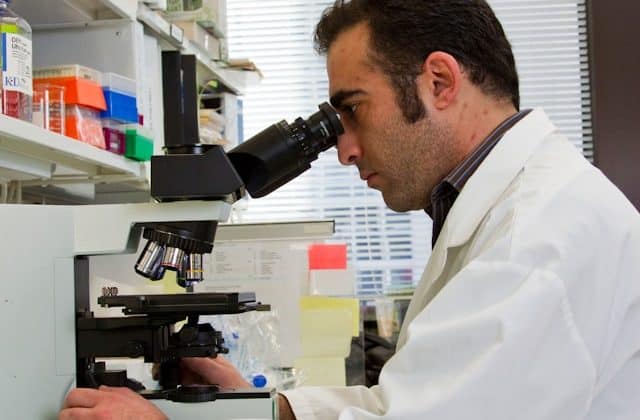
Photo by National Cancer Institute on Unsplash